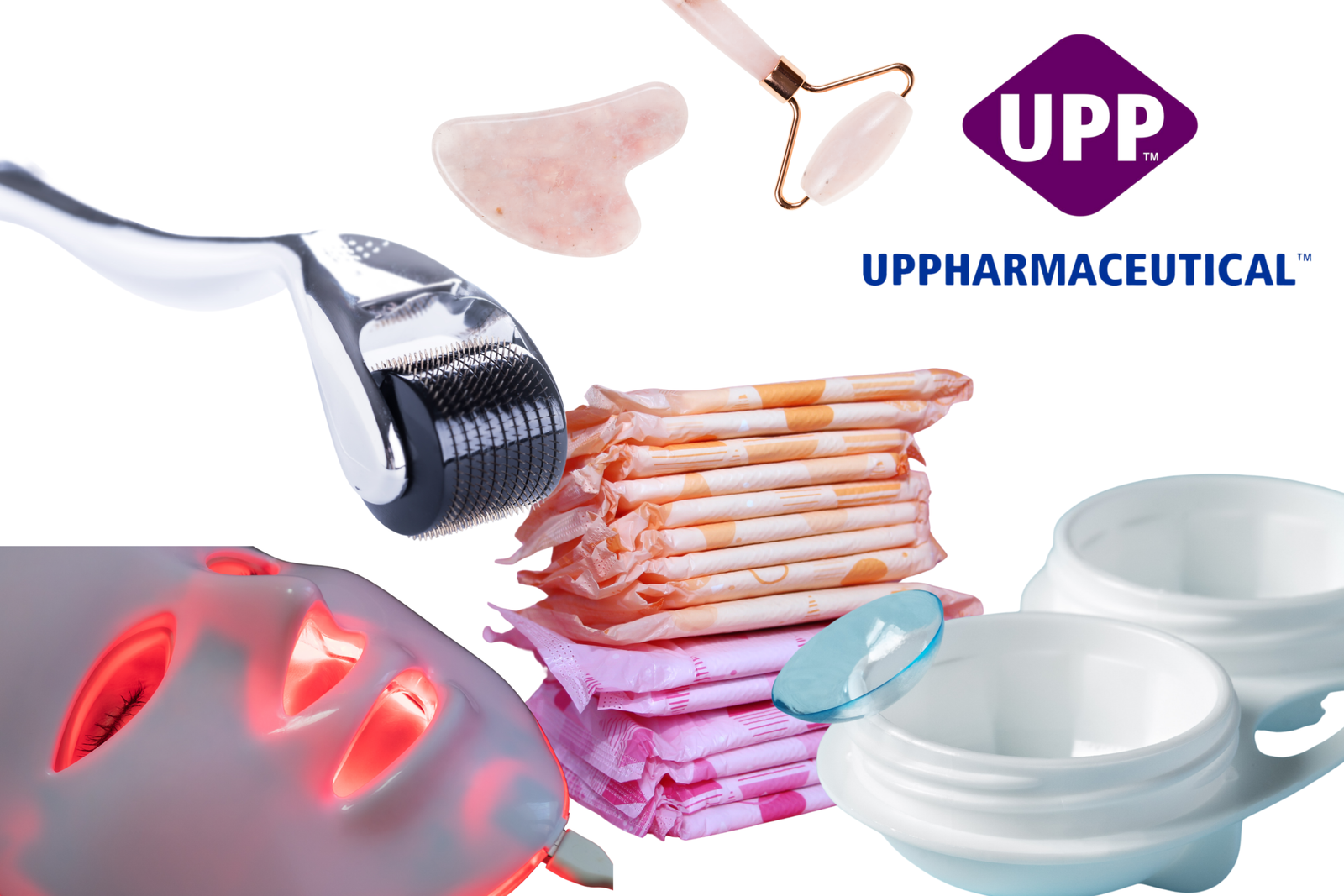
Medical Device or Cosmetic? Which Products Fall Into Which Category?
The line between cosmetics and drugs comes down to claims, we’ve covered that in previous posts. But there’s another, less discussed boundary that trips up just as many brands: the line between cosmetics and medical devices. Products like derma rollers, LED face masks, microcurrent devices, and teeth whitening systems are frequently registered under the wrong category, causing problems at customs or during FDA review.
What’s the Core Difference Between a Cosmetic and a Device?
Under Section 201(h) of the FD&C Act, a product is classified as a device if it meets both of the following conditions:
- It’s intended to diagnose or treat disease, or to affect the structure or function of the body, AND
- It achieves this effect without chemical action and without being metabolized by the body.
That second criterion is the key distinction: if a product produces a physical, mechanical, or electrical effect on the skin or body (light, heat, vibration, micro-needling, electrical current) intended to prevent/treat a condition or change body function, it’s a device, not a cosmetic.
By contrast, the cosmetic definition (FD&C Act §201(i)) covers products applied by rubbing, pouring, sprinkling, spraying, or similar methods for cleansing, beautifying, promoting attractiveness, or altering appearance — without claiming a structural or functional effect.
Common Borderline Cases
Derma Rollers / Microneedling Devices
These products create physical micro-punctures in the skin to trigger collagen production, clearly affecting a body function (skin healing), so they’re classified as medical devices. Depending on needle depth, FDA typically classifies these as Class II, requiring a 510(k) premarket notification.
LED Light Therapy Masks
If the product claims to “treat acne” or “boost collagen production,” it’s classified as a device because of the physiological effect the light has on the body. If it only makes a cosmetic claim like “brightens skin” without claiming a real physiological effect, the distinction becomes more nuanced, and consulting FDA directly is recommended in that case.
Microcurrent / Facial Toning Devices
Devices that deliver electrical current to the skin claiming to “increase muscle tone” or “reshape facial contour” are classified as devices, since they affect body structure through an electrical mechanism.
Colored Contact Lenses (Including Non-Corrective)
There’s a common misconception here: even purely cosmetic contact lenses that only change eye color, with no vision correction, are classified as devices by FDA (clarified by a 2005 federal law), because they make direct contact with the eye and carry a potential health risk. These products fall under medical device registration, not cosmetics.
Teeth Whitening Products
A whitening gel that simply removes stains may be treated as a cosmetic/personal care product. But light-activated systems (LED-activated whitening devices) and certain formulations, depending on peroxide concentration, can fall under the device or drug category instead. This needs to be evaluated case by case, based on mechanism and claims.
Passive Accessories (Sponges, Brushes, Gua Sha Tools)
Simple application tools that don’t claim an electrical, light-based, or mechanical “treatment” effect, like makeup sponges, facial brushes, or massage stones, generally fall outside both the cosmetic and device definitions. These products need separate evaluation, since they may sit entirely outside FDA’s cosmetic/device framework.
Why This Distinction Matters So Much
For a product registered under the wrong category:
- A product registered as a cosmetic that’s actually a device can be detained at customs as an unapproved medical device.
- The device pathway (510(k), GMP/QSR compliance, device listing) is far longer and more expensive than the cosmetic pathway, catching this too late can delay your launch by months.
- A single word in your labeling or marketing (like “treats”) can shift a product from cosmetic to device.
How to Decide
When making a classification call, ask these three questions:
- Does the product produce a physical/mechanical/electrical effect, or is it applied topically only?
- Does the label or marketing material claim to prevent/treat a disease or change a body function?
- Has FDA already issued a classification decision (product code) for similar products?
If you’re unsure, you can request a formal classification determination directly from FDA through a 513(g) Request for Classification Information.
Quick Checklist
- Does the product produce a physical/mechanical/electrical effect on the body?
- Does the label make a structural/functional claim?
- Is there an FDA precedent for similar products?
- If classification is unclear, is a 513(g) request being considered?
Sources: FD&C Act §201(h) (device definition), §201(i) (cosmetic definition), §201(g) (drug definition); 21 CFR § 700.35 (sunscreen-claim products); 21 CFR § 801.4 (determining intended use); 21 CFR Part 860 (Medical Device Classification Procedures).
This content is for general informational purposes and does not constitute legal advice. For product-specific classification, confirm current requirements at FDA.gov and eCFR.gov.
